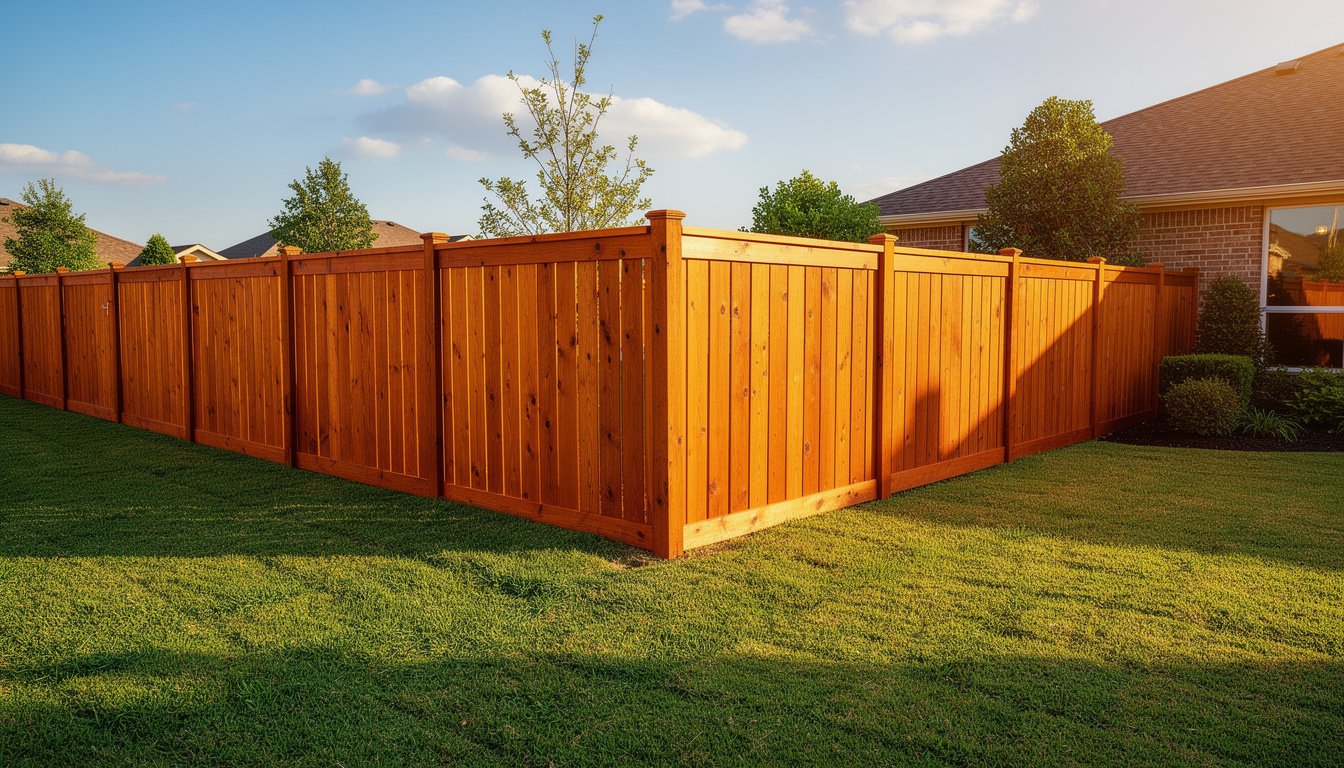
Recognizing the signs you need wood fence installation can save Killeen homeowners significant time and money. Many property owners across our Central Texas community wake up one morning to discover their fence sinking unevenly, leaning dangerously, or showing severe deterioration. While some issues warrant simple repairs, certain warning signs indicate it's time to invest in a complete wood fence installation rather than continuing to patch an aging structure. Understanding these indicators helps you make informed decisions about your property's security and curb appeal.
Top Signs You Need Wood Fence Installation in Killeen
Knowing when repair isn't enough requires understanding the key warning signs that indicate replacement is your best option. Killeen's unique soil composition and challenging wet-dry cycles create conditions that accelerate fence deterioration, making these signs particularly relevant for local homeowners.
Watch for these critical indicators that suggest new wood fence installation is necessary:
- Multiple posts sinking or leaning in different directions simultaneously
- Widespread rot affecting more than 20% of your fence boards
- Gates no longer align with their latches due to structural shifting
- Visible gaps appearing between panels and the ground
- Concrete footings crumbling or dropped below original grade level
- Repeated repairs needed every season with diminishing results
- Storm damage affecting multiple fence sections
If you're experiencing several of these issues, our team offering Fence Repair in Killeen can assess whether targeted repairs or complete replacement offers the best value for your situation.
Why Killeen's Soil Causes Fence Problems
Understanding why fences fail in our area helps you recognize when wood fence installation becomes necessary. Killeen sits on expansive clay soil that behaves dramatically differently depending on moisture levels. During our intense summer heat, this clay shrinks significantly as moisture evaporates, creating voids and settling beneath fence posts. When heavy rains return, the soil swells back up—but not always uniformly.
This expansive clay shrink-swell cycle affects fence posts differently based on several factors. Posts installed in areas with more clay concentration experience greater movement. Sections near downspouts, air conditioning drip lines, or landscape irrigation may retain more moisture, causing uneven soil behavior across your fence line.
Drought-driven soil shrinkage creates particularly severe settling problems. When Killeen experiences extended dry periods, the clay can shrink several inches, leaving fence posts suspended in voids that eventually collapse under the fence's weight. This explains why one section might sink dramatically while adjacent sections remain stable—and why signs you need wood fence installation often appear suddenly after years of stability.
How Do I Know If My Fence Is Sinking Versus Leaning?
Distinguishing between a sinking fence and a leaning fence matters because the solutions differ significantly. A sinking fence settles vertically into the ground, with posts dropping lower while remaining relatively plumb. A leaning fence tilts at an angle, often caused by lateral soil pressure or post rot.
Signs your fence is actually sinking include:
- The top rail appears to step down at one or more posts
- Gates no longer align with their latches because the hinge post dropped
- Visible gaps appear between the bottom of fence panels and the ground on the high side
- Posts remain vertical but sit lower than neighboring posts
- Concrete footings have dropped below their original grade level
Check for these symptoms by standing at one end of your fence and sighting down the top rail. If you see a distinct dip rather than a uniform tilt, you're dealing with settling rather than leaning. This distinction helps professionals from Killeen Fencing Pros determine whether repair or replacement offers the best value.
When Repair Makes Sense Versus New Installation
Not every fence problem requires complete replacement. Minor settling sometimes responds to targeted repairs like post supports or footing reinforcement. However, when multiple signs you need wood fence installation appear together, continuing repairs often wastes money that could go toward a lasting solution.
Consider new installation when:
- Repair costs exceed 50% of replacement value
- Your fence is over 15-20 years old with widespread deterioration
- Previous repairs have failed within one to two seasons
- Structural integrity is compromised across multiple sections
- You're planning to sell your home and need improved curb appeal
Heavy rain combined with poor drainage creates saturated zones where posts settle faster than in well-drained areas. Extreme summer heat and soil desiccation accelerate this process. When these conditions have damaged your fence beyond practical repair, investing in proper installation provides decades of reliable performance.
How Professional Wood Fence Installation Prevents Future Problems
Professional installation addresses the underlying soil instability that causes fence failures in Killeen. Our local experts begin with a thorough assessment of soil conditions along your entire fence line, identifying areas prone to settling before installation begins.
The installation process involves excavating proper post holes and installing footings designed for Killeen's expansive clay. This often means deeper post holes and larger diameter concrete bases that extend below the most active soil zone. Some situations require installing gravel drainage beneath footings to prevent moisture concentration.
Quality materials and proper installation techniques make the difference between a fence lasting ten years versus thirty years. When you notice signs you need wood fence installation, choosing experienced local contractors ensures your investment withstands our challenging Central Texas environment.
Why Choose a Local Fence Installation Expert in Killeen
Local expertise matters significantly when addressing fence problems caused by regional soil conditions. Contractors unfamiliar with Killeen's expansive clay often install posts using techniques appropriate for stable soils—leading to premature failure and frustrated homeowners.
As local experts with years of experience serving Killeen and surrounding communities, we understand exactly how our soil behaves through seasonal cycles. We've seen how the same fence materials perform differently based on installation techniques suited to our specific conditions. This knowledge translates into installations that withstand our challenging environment.
Our team provides honest assessments of whether repair or replacement makes financial sense for your situation. We back our work with warranties because we're confident in our methods. When you work with contractors who live and work in your community, you get accountability that distant companies simply cannot match.
Frequently Asked Questions About Wood Fence Installation in Killeen
What are the most common signs you need wood fence installation?
The most telling signs include multiple leaning or sinking posts, widespread rot, boards falling off regularly, gates that won't close properly, and repair costs approaching replacement value. If your fence requires constant attention or compromises your property's security, it's likely time for new installation.
How deep should fence posts be installed in Killeen's clay soil?
Posts in Killeen should extend at least 30 to 36 inches deep, with concrete footings reaching below the most active shrink-swell zone. Standard 24-inch installations often fail because they remain within the soil layer experiencing the most dramatic moisture-related movement throughout our seasonal cycles.
Will my entire fence eventually sink if one section has settled?
Not necessarily. Uneven sinking often indicates localized soil problems rather than fence-wide issues. However, having a professional assess your entire fence line identifies vulnerable sections before they fail. Preventative reinforcement costs significantly less than emergency repairs after multiple posts settle simultaneously.
Does the type of fence material affect how much it sinks?
Heavier fencing materials like iron or steel place more downward pressure on posts, potentially accelerating settling in unstable soil. Wood fencing offers an excellent balance of durability and weight. The installation quality and footing design matter more than material weight for long-term stability in Killeen's clay.
How long does professional wood fence installation take?
Most residential wood fence installations take two to five days depending on fence length, terrain, and soil conditions. Wet soil requires additional time for proper concrete curing. We schedule installations to avoid extreme weather when possible, ensuring optimal conditions for lasting results.
Don't let a failing fence compromise your property's appearance and security. If you've noticed the signs you need wood fence installation along your property line, contact our team today for a professional assessment. Our experienced crew provides honest recommendations and quality workmanship backed by our commitment to customer satisfaction. For expert wood fence installation solutions, reach out to us and restore your property's beauty and security with a fence built to last.